Can Marriage Counseling Help Rebuild Trust?
Published • By Jorge Yunes, LPC • San Antonio, TX
Trust is one of the foundations of a close relationship. When it has been damaged, couples may feel uncertain about what comes next. One partner may feel hurt, angry, anxious, or unable to relax in the relationship. The other may feel guilt, shame, defensiveness, or fear that nothing they do will be enough.
Trust can be affected by many experiences. It may involve secrecy, dishonesty, broken promises, financial concerns, emotional boundaries, infidelity, or a pattern of behavior that left one partner feeling unsafe or unsupported.
For couples asking whether marriage counseling can help rebuild trust, working with an experienced therapist provides a structured setting to understand what happened, talk about the impact with care, and explore what genuine repair requires. In his San Antonio counseling practice and through online therapy across Texas, Jorge Yunes, LPC, helps couples slow down painful reactions, establish emotional safety, and decide how they want to move forward.

Trust Is More Than Believing Someone Will Tell the Truth
Trust is often described as honesty, but it is usually broader than that. In a marriage, trust can include believing that your partner will be truthful, respect agreed-upon boundaries, follow through on commitments, and take your feelings seriously.
When trust is damaged, even everyday interactions can begin to feel uncertain. The hurt partner may question information they once accepted without concern. They may feel on edge, check for reassurance, or revisit the situation repeatedly. The other partner may become frustrated by these questions and feel that they will never be forgiven.
Both experiences can be painful. Rebuilding trust often requires more than simply deciding to “move on.” It usually involves understanding the impact of what happened and creating consistent changes over time.
Why Trust Can Be Difficult to Rebuild Alone
Couples often try to repair trust through repeated conversations at home. Those conversations may begin with good intentions but quickly become overwhelmed by emotion.
One partner may want answers and reassurance. The other may feel ashamed, defensive, or exhausted by the subject. The conversation may turn into an argument, end in silence, or repeat without bringing either person relief.
Marriage counseling can help slow that pattern down. A counselor can support both partners in talking about difficult experiences without minimizing the hurt or allowing the conversation to become harmful.
The goal is not to force forgiveness or rush a decision. It is to create a clearer understanding of what happened, how it affected each person, and what meaningful repair may look like.
Acknowledging the Impact of What Happened
One of the first steps in rebuilding trust is making room for the impact of the hurt.
Validating the Emotional Toll of Betrayal
The partner who was hurt may need to express feelings that have been difficult to share, including anger, sadness, fear, confusion, or grief. They may need to feel that their experience is understood rather than dismissed.
The partner who caused the hurt may need support in listening without immediately explaining, defending, or shifting blame. This can be difficult, especially when there is guilt or shame. However, meaningful repair often begins when a person can acknowledge the impact of their actions.
That might sound like:
I understand that what happened made you question whether you can rely on me. I can see why you feel hurt and uncertain.
This does not erase the past. It can show that the hurt is being taken seriously.
Understanding the Difference Between Explanation and Excuse
Couples may need to explore the circumstances that led to a breach of trust. Stress, loneliness, conflict, unmet needs, poor boundaries, or unresolved personal struggles may all be part of the larger picture.
Understanding those factors can be important. However, an explanation is not the same as an excuse.
Marriage counseling can help couples talk about contributing factors without minimizing responsibility. This may help both partners understand what needs to change in order to reduce the risk of repeating the same pattern.
For example, a couple may need to discuss communication habits, boundaries with other people, financial transparency, conflict avoidance, or unmet emotional needs. The purpose is not to blame one person for everything. It is to identify the conditions that need attention moving forward. When past emotional wounds or betrayal create profound distress or hypervigilance, couples may also benefit from understanding how trauma and PTSD therapy can help stabilize nervous system responses.
Rebuilding Trust Through Consistent Actions
Trust usually returns through repeated, dependable actions rather than one conversation or one apology.
What Consistent Repair Looks Like Day to Day
The specific steps will look different for every couple. They may include clearer communication, more consistent follow-through, agreed-upon boundaries, honesty about difficult topics, or changes in how partners respond during conflict.
A partner rebuilding trust may need to show reliability over time by doing what they say they will do, acknowledging concerns without becoming defensive, and being willing to have uncomfortable conversations.
The hurt partner may need room to ask questions, share concerns, and decide at their own pace what they need in order to feel emotionally safer.
Marriage counseling can help couples identify realistic agreements and avoid vague promises that are difficult to follow through on.
Creating Clearer Boundaries
After trust has been damaged, couples often need to revisit their boundaries. Boundaries are not meant to control another person. They are agreements that help each partner understand what feels respectful, safe, and acceptable within the relationship.
Depending on the situation, couples may need to discuss boundaries related to communication, privacy, spending, relationships outside the marriage, time commitments, social media, alcohol or substance use, or conflict behavior.
A helpful conversation about boundaries includes more than simply naming rules. It also includes discussing why the boundary matters, what each person needs, and how they will respond if the agreement is not followed.
Marriage counseling can provide a neutral setting for these conversations, especially when they have become emotionally charged at home.
Moving at a Pace That Feels Honest
There is no universal timeline for rebuilding trust. Some couples notice small changes quickly. Others need more time because the hurt has been significant or the pattern has existed for a long time.
Pressure to “get over it” can make healing more difficult. At the same time, staying in a constant cycle of accusation and defensiveness can leave both people feeling stuck.
Marriage counseling can help couples find a pace that allows for honesty without repeatedly reopening the same wound in ways that become unproductive. The focus is often on moving forward with care, not pretending that the past never happened.
Deciding What You Need Moving Forward

Not every couple begins counseling with the same goal. Some partners want to rebuild the relationship. Others are uncertain whether they can continue. Both people may have different levels of hope, readiness, or commitment at first.
Counseling can help create space for that uncertainty. It may help couples clarify what each person needs in order to continue, what changes would need to happen, and whether both partners are willing to participate in the work of rebuilding trust.
This process can be difficult, but it may also bring greater honesty and clarity.
When Joint Counseling May Not Be Appropriate
Marriage counseling may not be appropriate when there is active abuse, coercive control, intimidation, or fear for someone’s safety. In those circumstances, safety should come first. Individual support and local domestic violence resources may be more appropriate than joint counseling.
Related Reading
Taking the Next Step
A breach of trust can change the way a relationship feels. Even so, couples do not have to navigate the aftermath alone. Marriage counseling can offer a respectful space to understand the impact, communicate more honestly, and explore what repair may require.
Learn more about marriage counseling in San Antonio with Jorge Yunes, LPC, or request a free 15-minute consultation to talk through what you and your partner are experiencing.
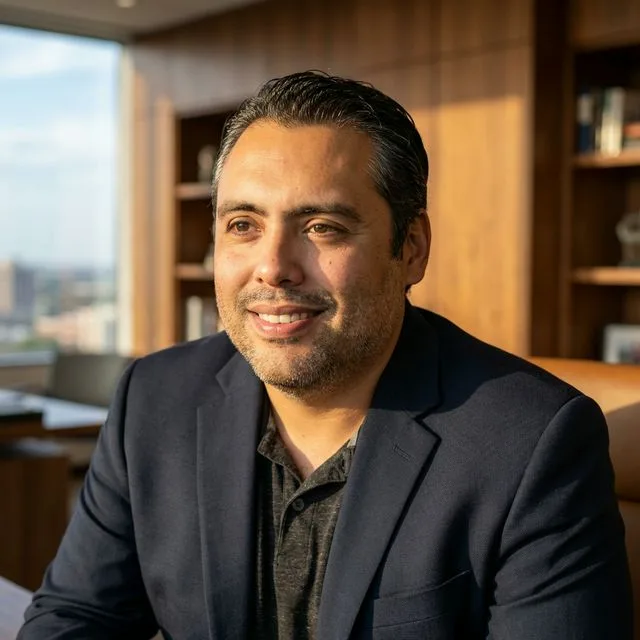
Jorge Yunes, LPC • Licensed Professional Counselor
Jorge Yunes, LPC, has over 15 years of clinical experience helping couples and individuals navigate relationship challenges, anxiety, trauma, and life transitions in San Antonio and online across Texas.